Stashradarshelfrn.homes
Guide 04 · Furniture & decluttering

Decluttering methods and multifunctional furniture for practical makeovers

13 min read · Updated February 2026

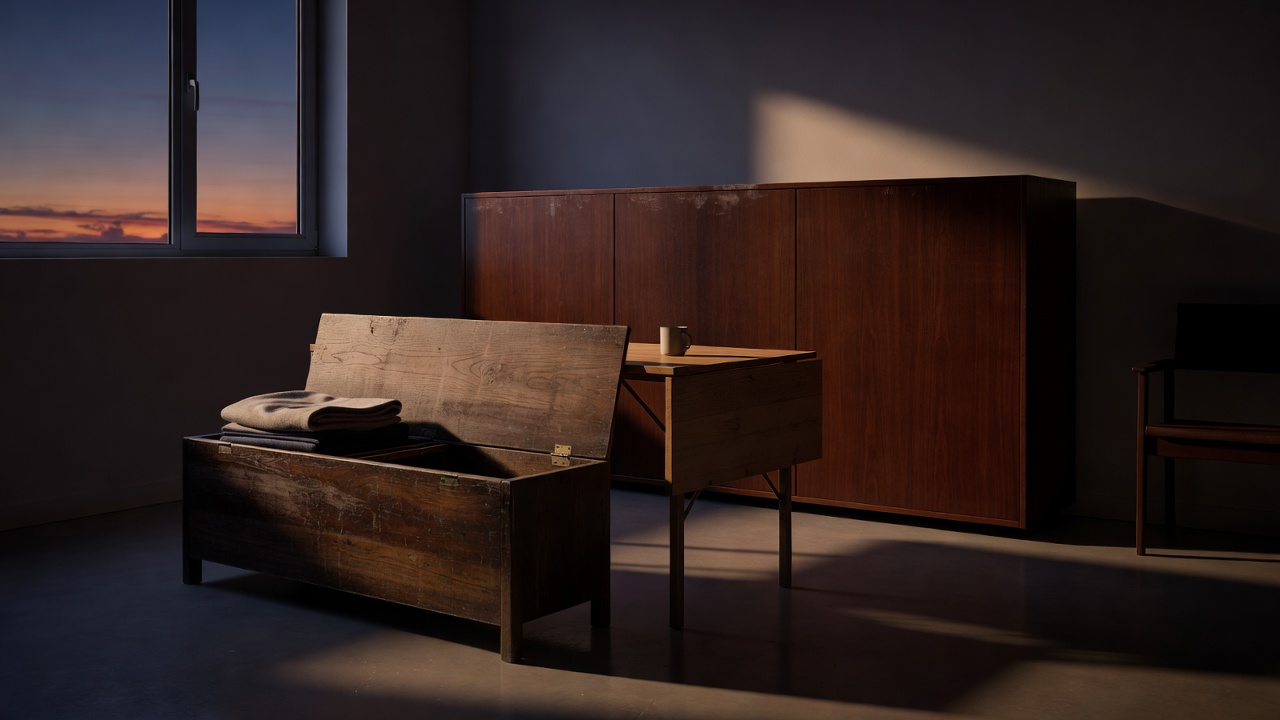
Studio flat at dusk with a storage bench, drop-leaf table and folded wall bed in deep contrast light
01

Pick a decluttering method that fits your life

No method is universally best; the right one is the one you finish. Four approaches cover most households:

  • KonMari — from Marie Kondo's The Life-Changing Magic of Tidying Up. Work by category (clothes, books, papers, miscellany, sentimental items), not by room, and keep what "sparks joy". Intensive but transformative if you can set aside several weekends.
  • The container concept — from Dana K. White's Decluttering at the Speed of Life. The shelf or drawer is the limit; when it's full, the least-loved item goes. Ideal for busy people who need progress in 15-minute bursts.
  • Swedish death cleaning — described in Margareta Magnusson's The Gentle Art of Swedish Death Cleaning. A calm, lifelong habit of reducing so that others won't have to. Especially helpful when downsizing.
  • Minimalist reset — inspired by writers such as Fumio Sasaki (Goodbye, Things) and The Minimalists. Box up items and keep only what you retrieve within 30 days.

Whichever you choose, set up three labelled exits before you start: donate, recycle, sell — and book the charity drop-off date so bags don't linger in the hallway.

02

Handle sentimental items last

Decision fatigue is real. Starting with photos and inherited items stalls most projects. Clear easy, low-emotion categories first — duplicate kitchen tools, expired toiletries, old cables — and build momentum. For keepsakes, set a fixed container per person and photograph large items you no longer have space for.

03

Multifunctional furniture that earns its place

Once volume is down, furniture can work harder. The best pieces combine two jobs you need every day:

  • Wall beds — the Murphy bed was patented by William Lawrence Murphy in San Francisco in the early 1900s. Modern counterbalanced mechanisms fold a double bed into a 40–45 cm deep cabinet, freeing a whole room by day. Fix to a structural wall and budget for professional installation.
  • Storage benches and ottomans — seating plus a lidded box for blankets, shoes or toys. Look for soft-close hinges and lids that stay open.
  • Drop-leaf and gateleg tables — about 25 cm deep folded, seating four or six when open. A long-standing solution in compact British and Scandinavian homes.
  • Bed with integrated desk or shelving headboard — useful in children's rooms and studios.
  • Cube units such as IKEA Kallax — room dividers that store on both sides.

Avoid pieces with too many moving parts if you won't convert them daily. A sofa bed used twice a year should prioritise sitting comfort; a studio dweller's bed should prioritise the mechanism.

04

A weekend makeover plan

Friday evening: photograph the room, measure walls and list the three things that annoy you most. Saturday: declutter by category using your chosen method; remove donations the same day. Sunday morning: rearrange furniture so walkways are at least 75–90 cm wide and the largest piece sits on the longest wall. Sunday afternoon: install one storage upgrade — risers, a rail, a shelf — and set landing spots for daily items.

The tiny-house movement proved that 20 m² can be comfortable when every item has a place. You don't need to go that far; you just need fewer things and smarter furniture than you had last week.